Rideshare for Luma
Context
Designing for sustainable action
We were given less than 7 hours at UW Blueprint x UW/UX's Bloom designathon to tackle the following challenge:
How might we make climate awareness and sustainable action easier for students to understand and practice in everyday life?
Approach
Reframing the challenge
Students already understand climate issues, but awareness alone rarely leads into action. We approached this by reframing the challenge around a different question:
How might we help students take action anyway?
Key Insight
Students optimize for convenience
Students rarely make decisions based on environmental impact alone. Their choices are shaped by everyday incentives, such as...
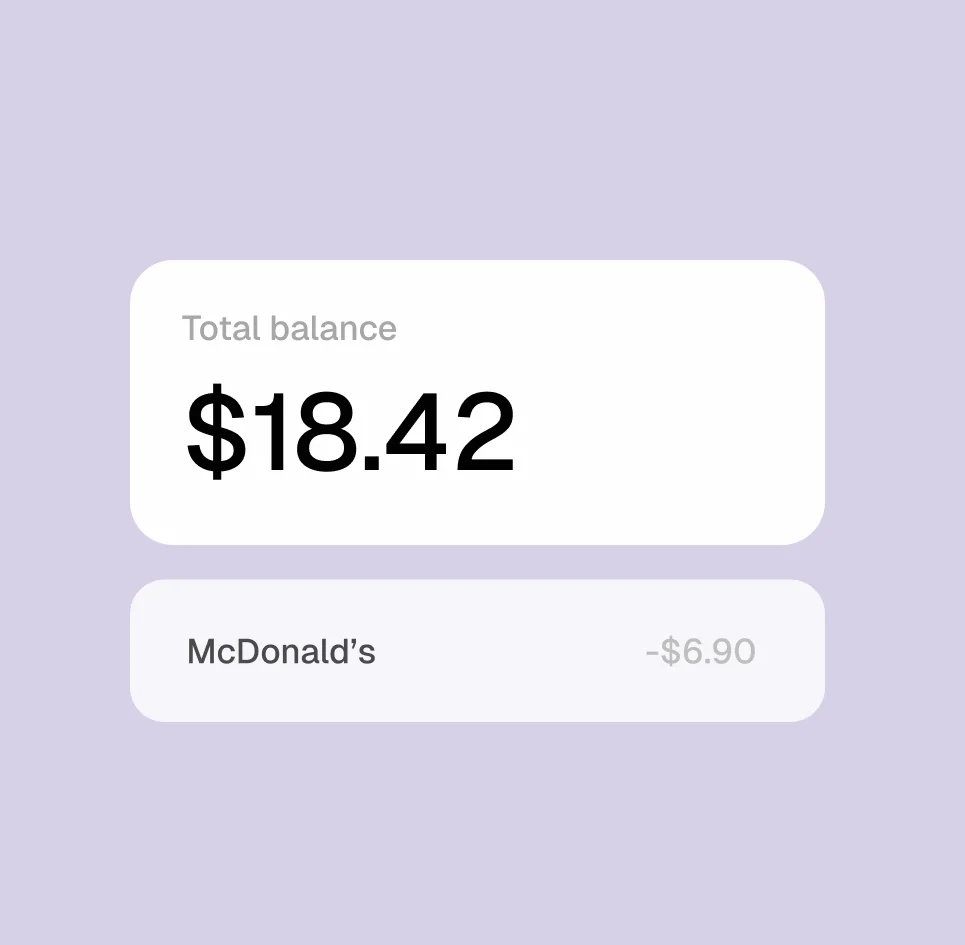
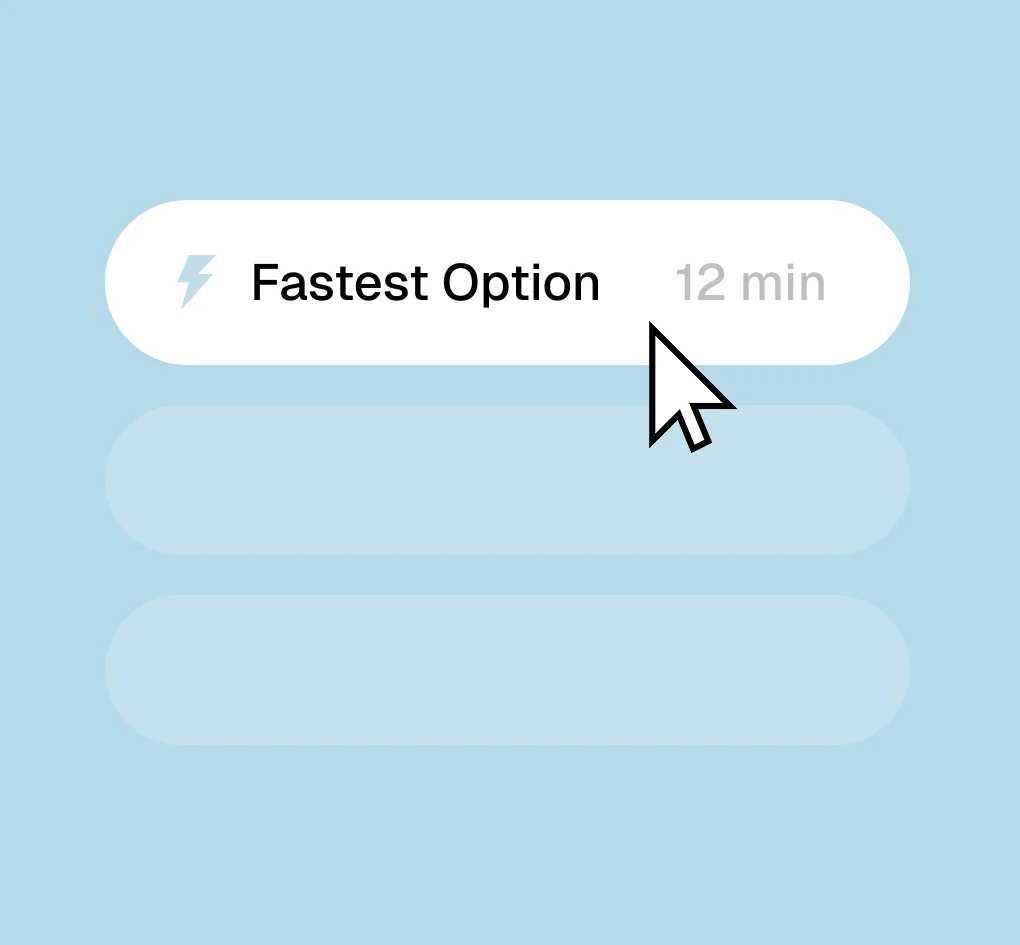
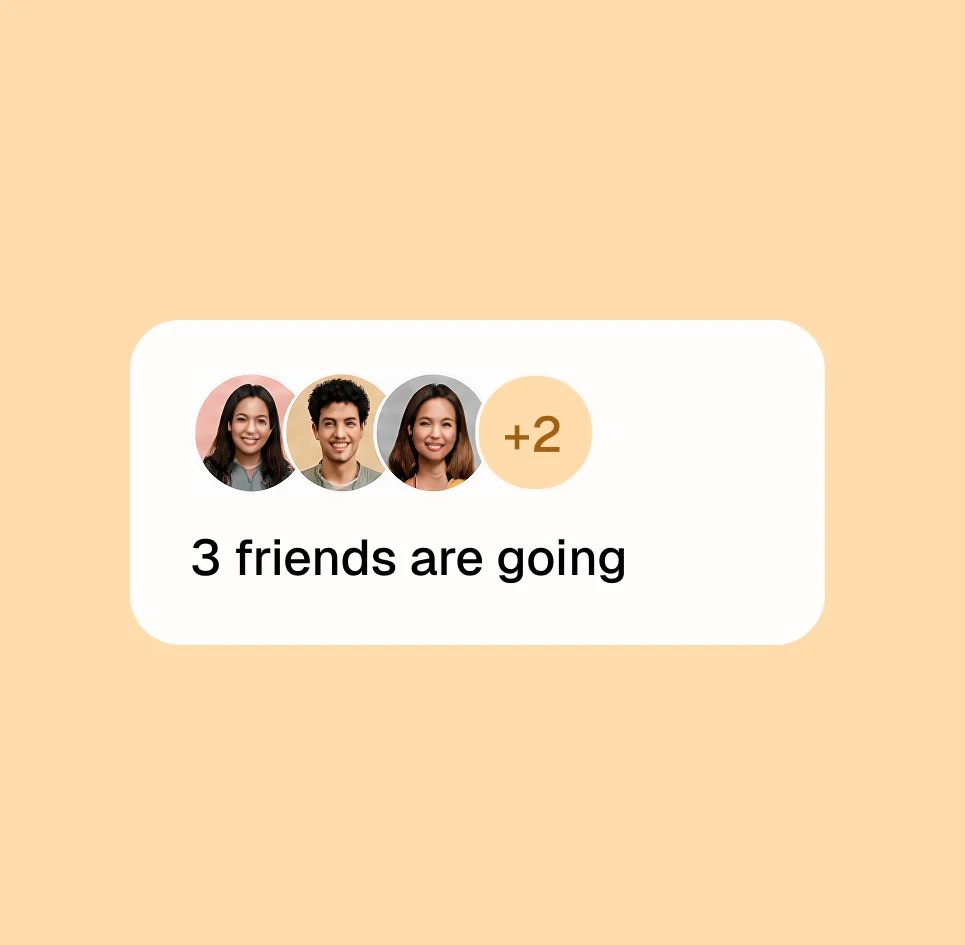
Rather than asking students to change their routines entirely, we asked ourselves: Where does sustainable action already overlap with existing student behaviour?
Opportunity
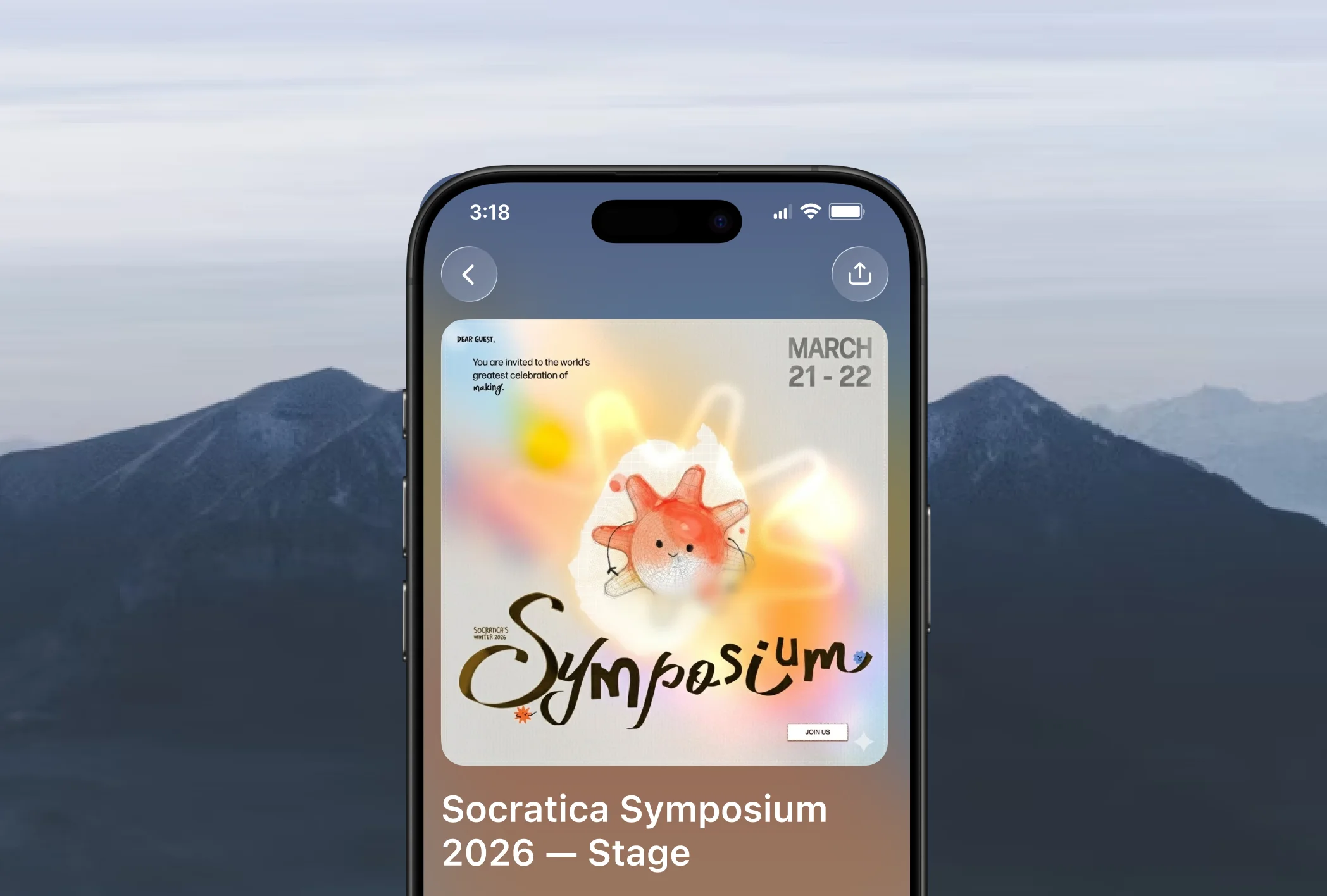
Students are constantly going to events...
Events are a highly social part of student life. Whether through clubs, conferences, or nightlife, students are constantly figuring out how to get there.
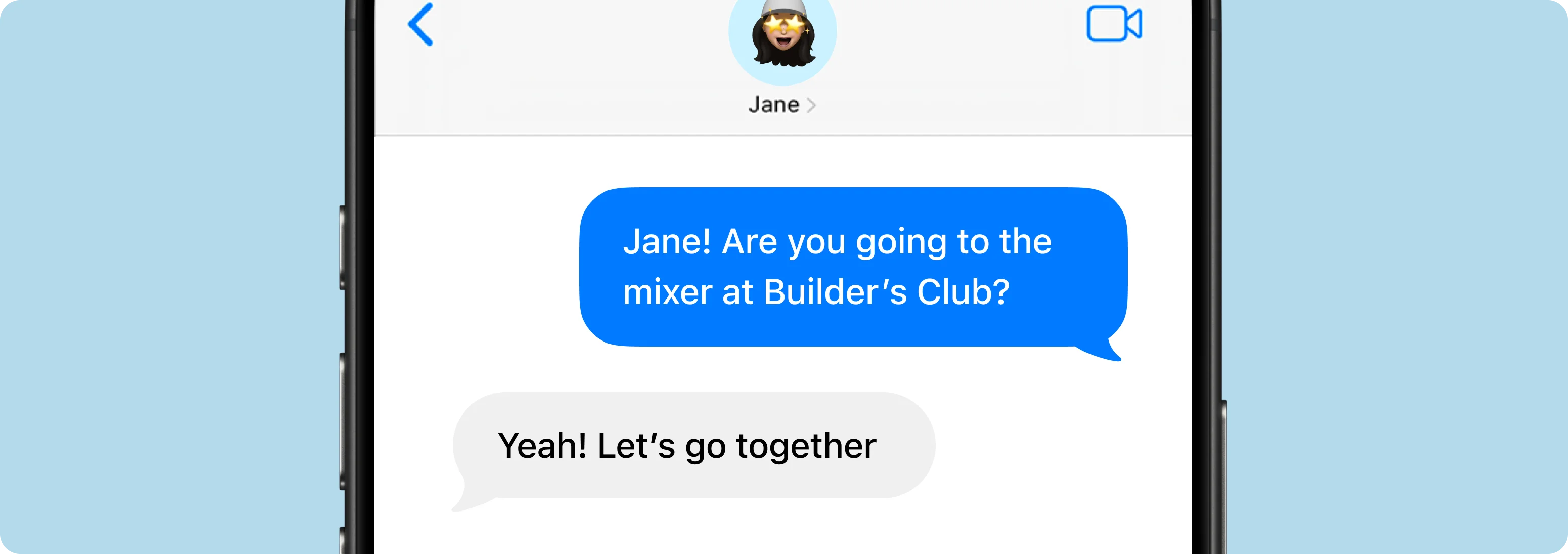
...and naturally look for shared rides
Going to events that are farther away, students try to share rides as a way to reduce costs, split transportation, and travel together.
Problem
Carpooling to events is broken
Students currently rely on a mix of informal coordination, existing social circles, and existing ride service platforms to get to events. To dive deeper into the problem, we analyzed how students currently carpool to events.
01.
Going with friends
Students often feel more comfortable attending events with others, but this only works if they already know people going to the same event, creating barriers for newcomers and solo attendees.
02.
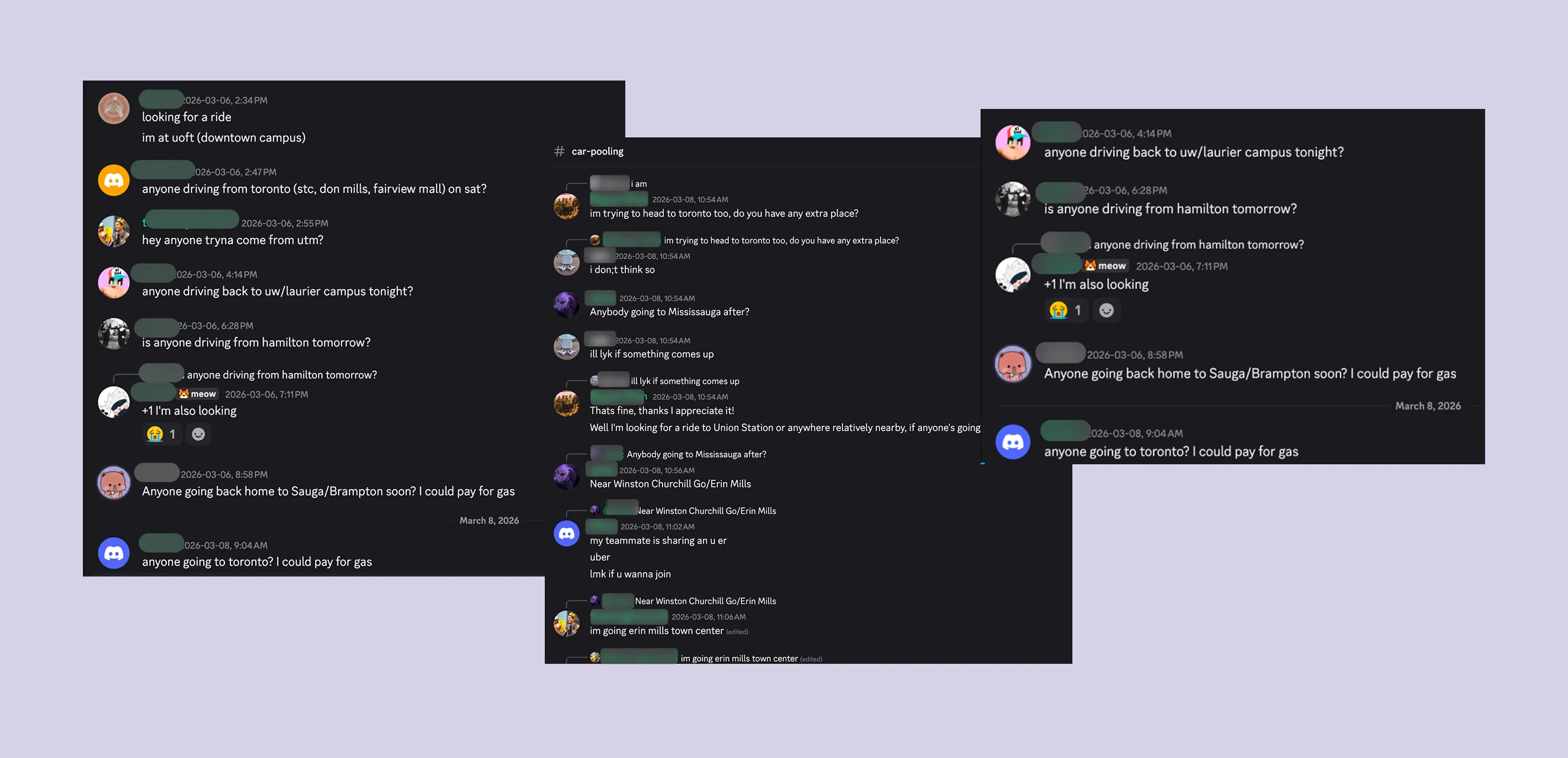
Social media channels
Coordination becomes cluttered and unreliable as chats quickly flood with messages. Many events also lack dedicated transportation channels entirely.
03.
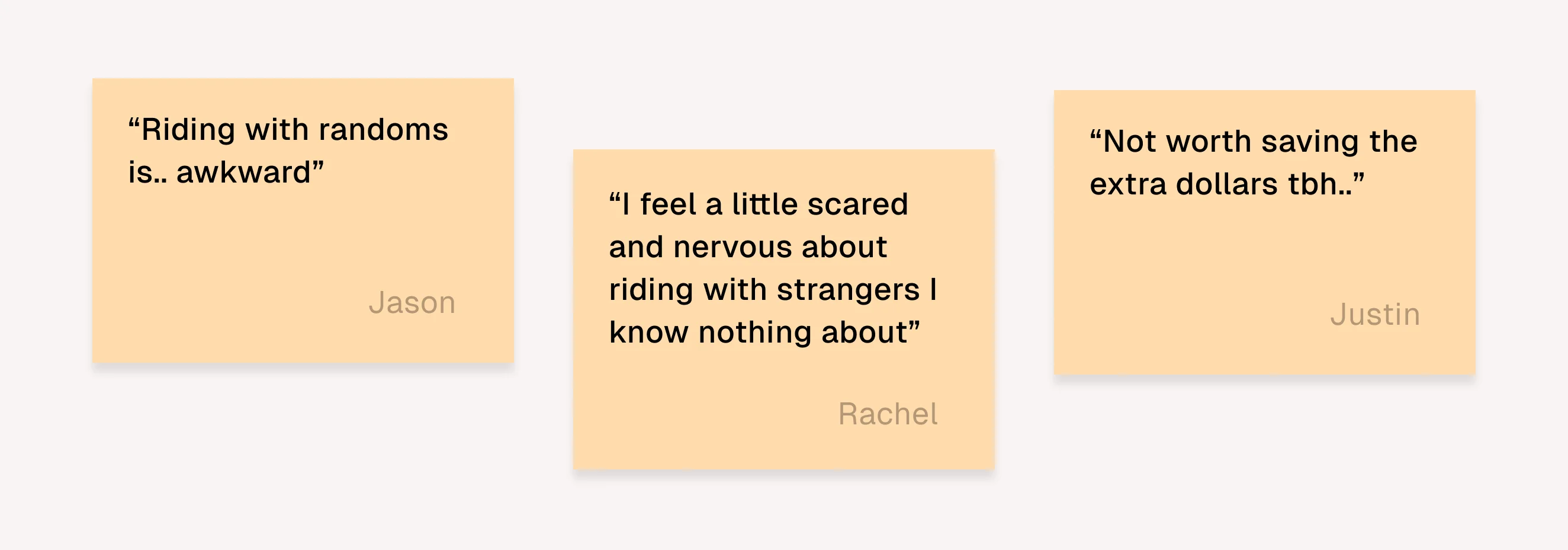
UberX Share
Students don't use Uber's carpool feature due to concerns around riding with strangers. The feature also lacks the social context and coordination needed for event-based transportation.
Solution
Rideshare for Luma
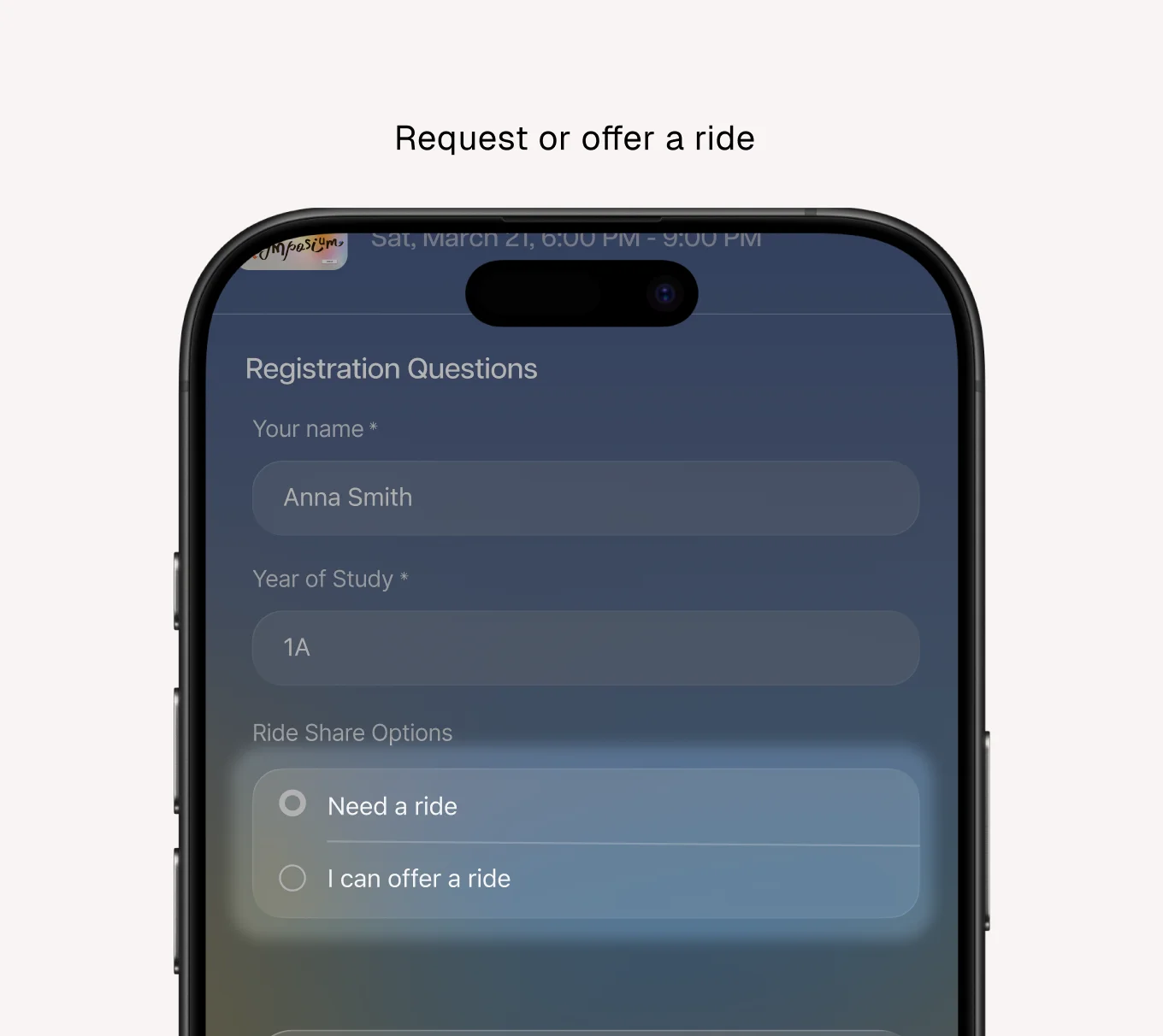
A lightweight ride-share option integrated directly into the registration page of events, making it easier for students to coordinate shared transportation.
Visible, straightforward booking
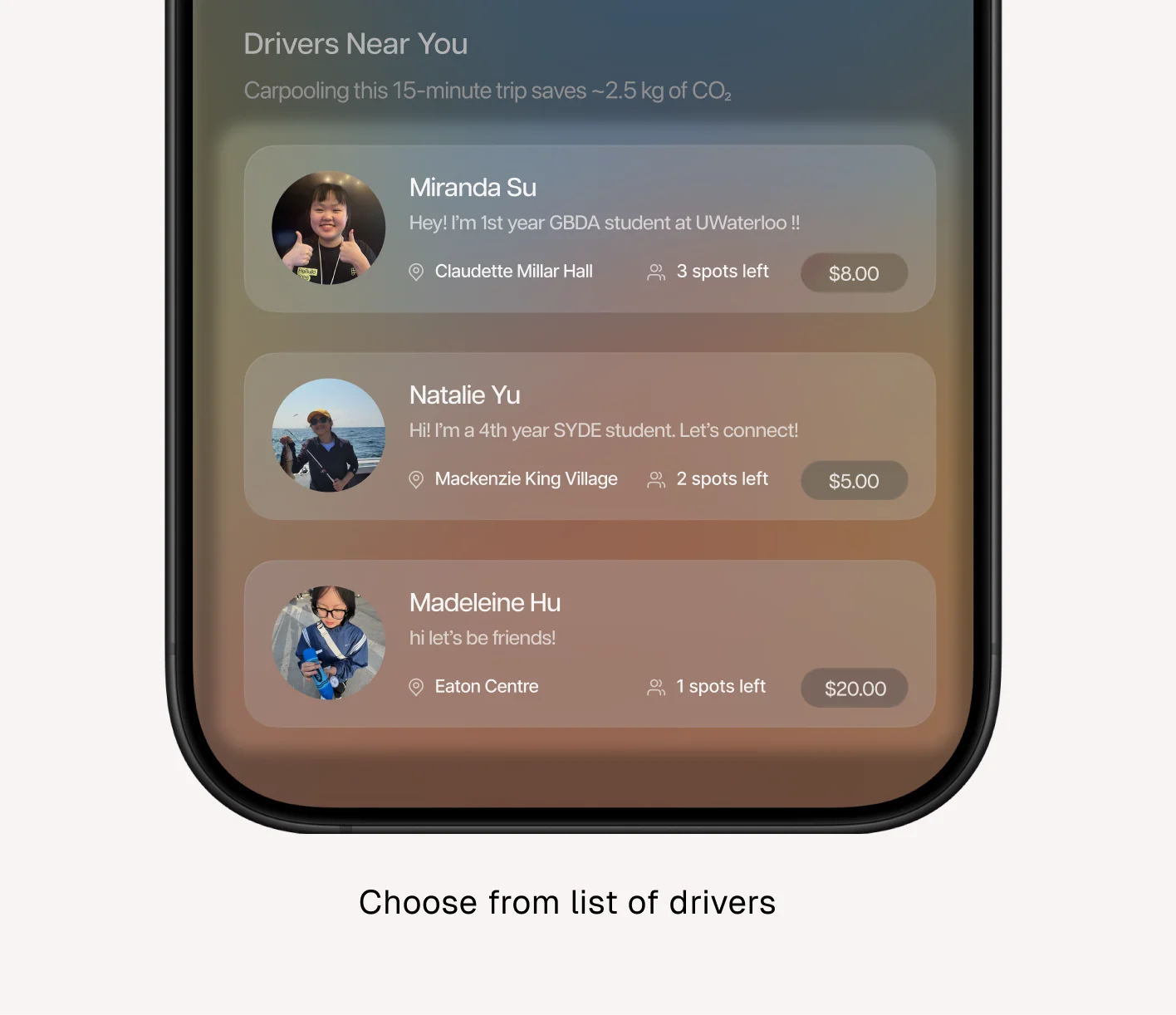
Similar to booking flights, students can compare available rides based on price, pickup location, departure time, and remaining seats.
Designing around social comfort
By centering rides around mutual event attendance, students already share context and intent before entering the ride... and maybe even make some friends along the way!
Design Decisions
Why inside Luma?
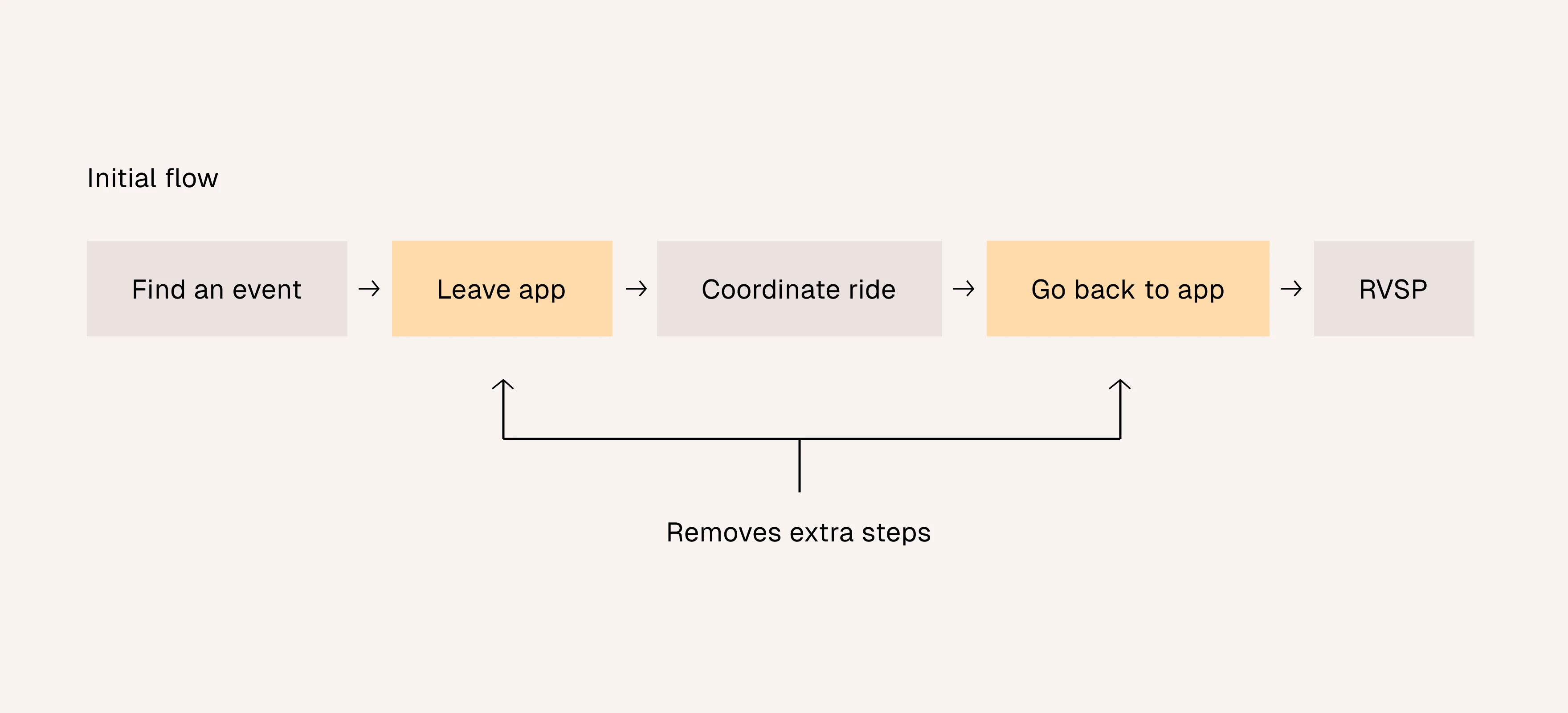
We explored standalone apps and browser extensions, but they required students to adopt entirely new platforms. We reduce friction by building on a platform students already use.
Designing for feasibility
Luma already supports ticket pricing, registration, and location-based event details. Structurally, listing available rides is similar to listing ticket options, making the feature realistic to integrate without drastically changing the existing platform.
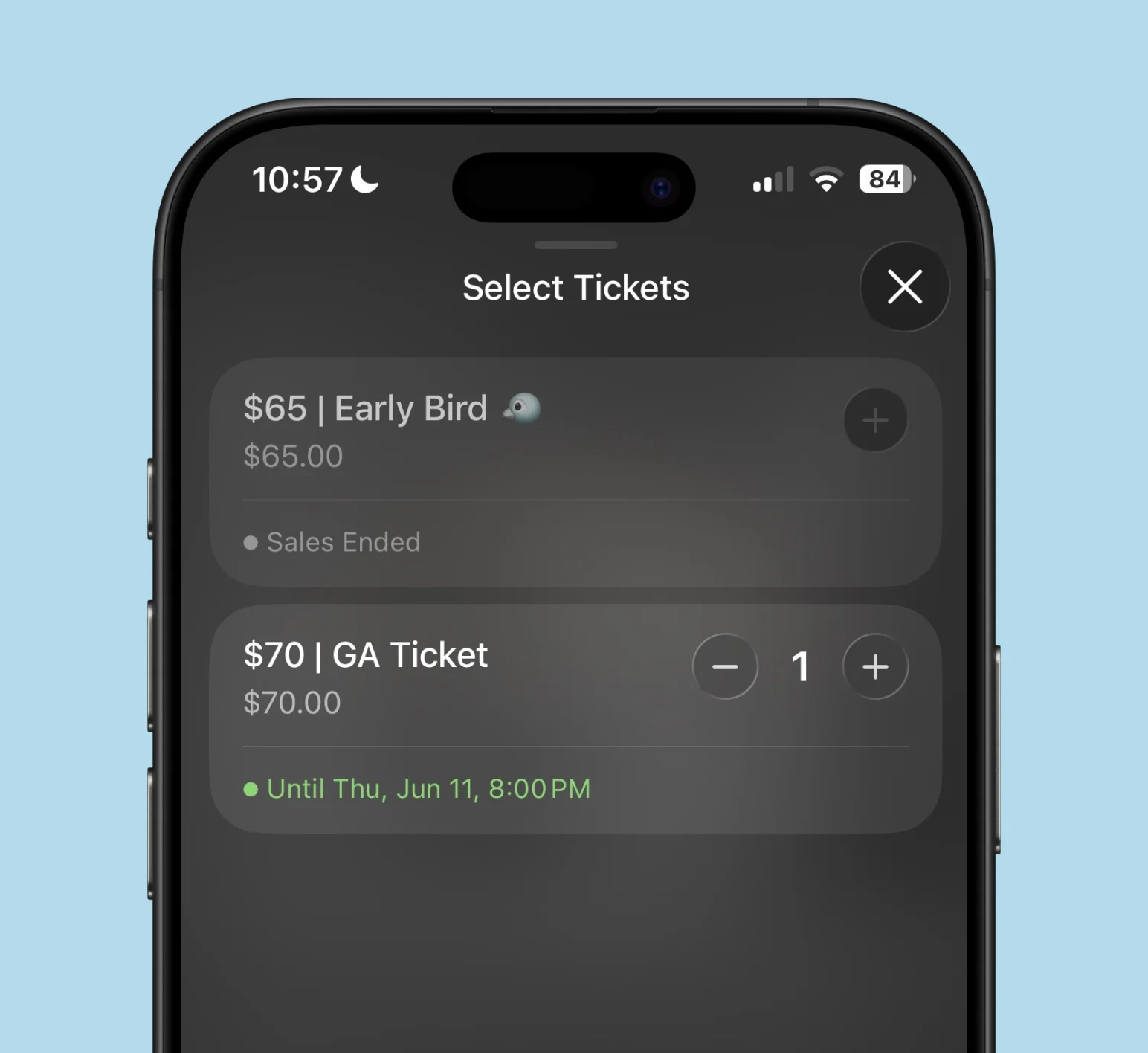
Luma already supports ticketing
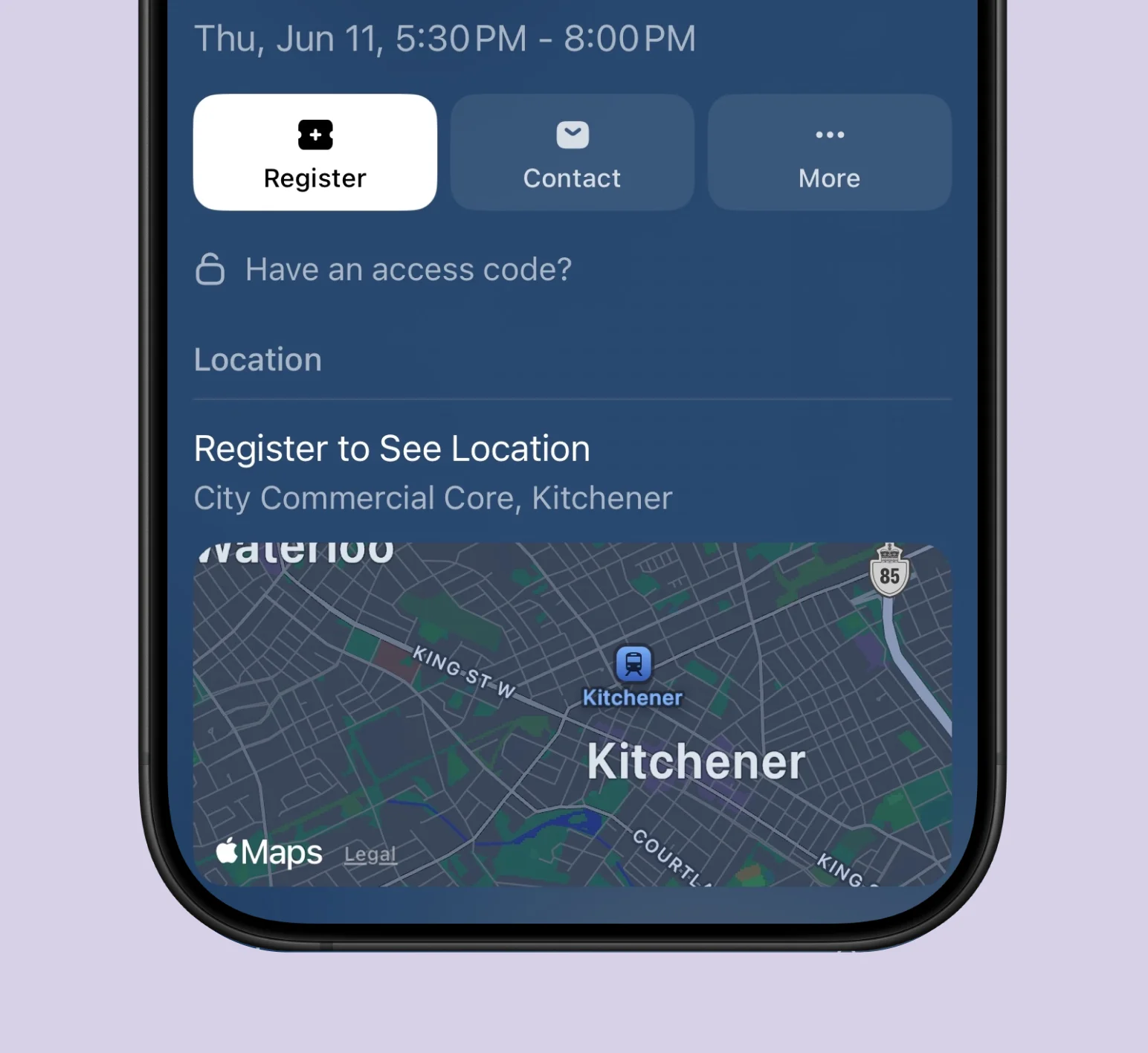
Events are already location-centric
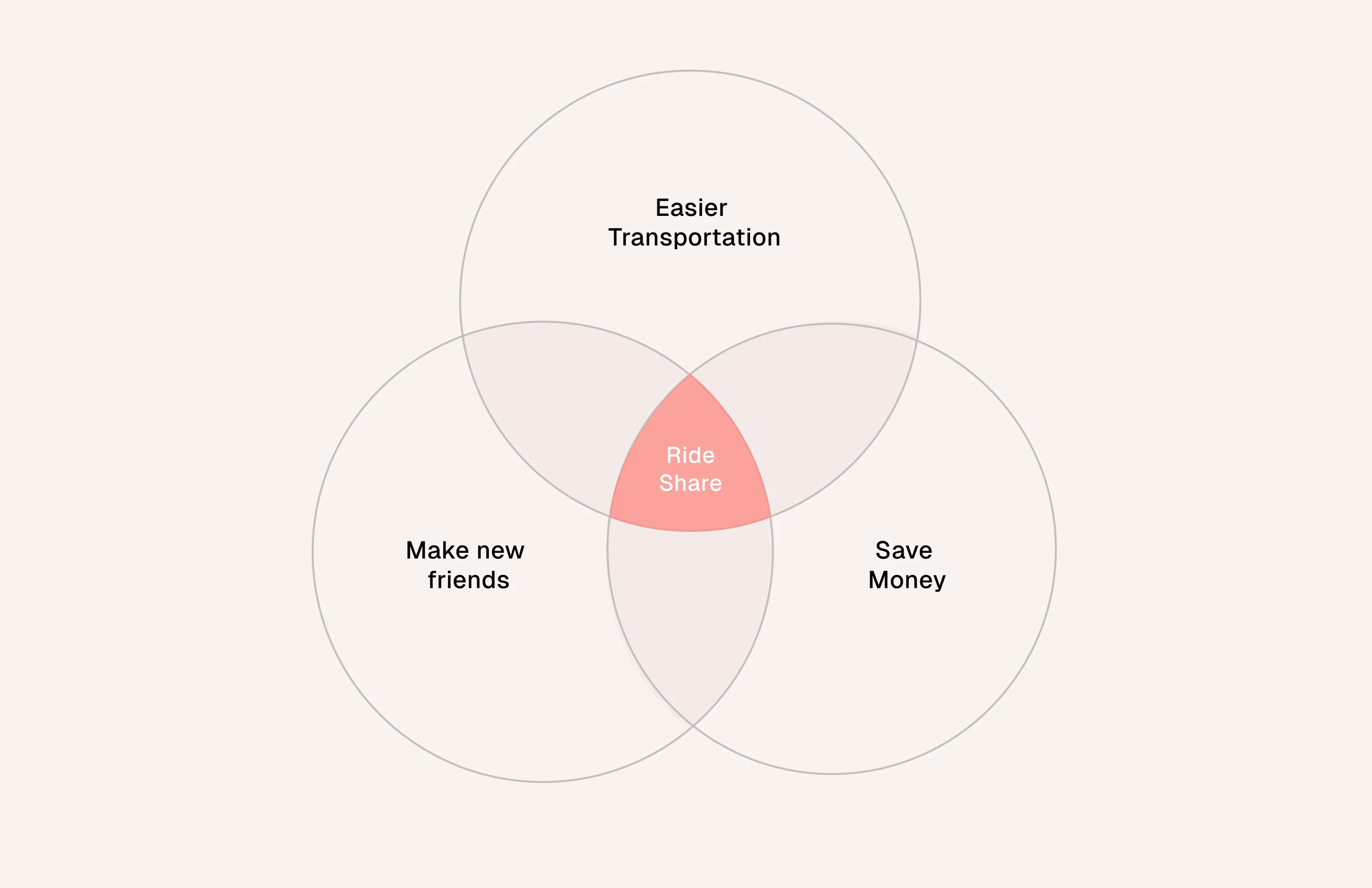
In the end, sustainable action becomes a byproduct!
Our solution solves multiple problems at once, from reducing costs to helping students meet others before events. In the end, sustainable action becomes a natural result.
Result
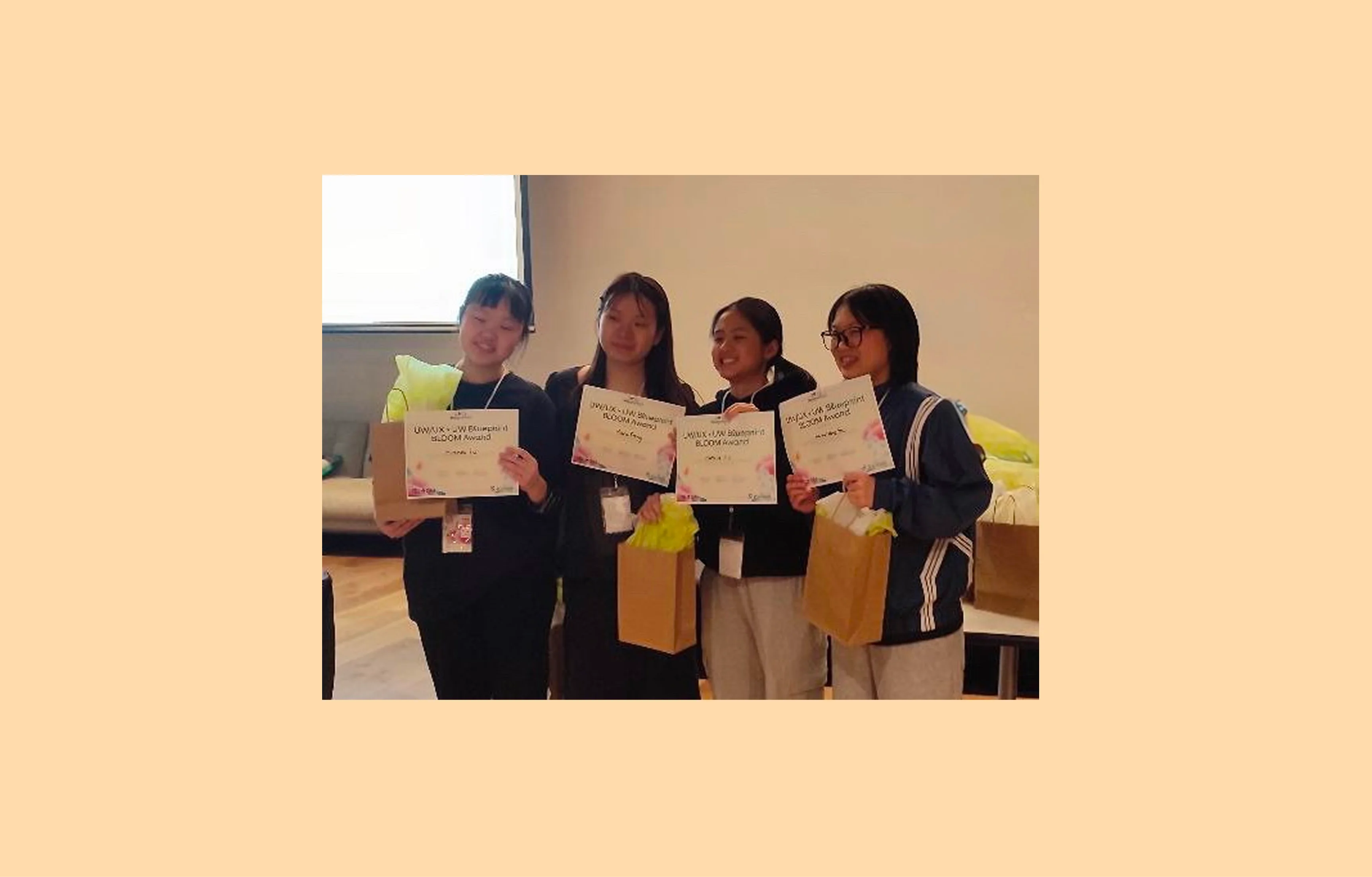
We were chosen as one of the winners of the competition!
Super grateful to be able to design, present and iterate on feedback!